Expert Asphalt Paving Contractors
Professional Asphalt Paving Services
Asphalt Doctor is a trusted asphalt paving contractor based in Bakersfield, CA, with over 25 years of industry experience.
We proudly serve residential, commercial, and municipal clients throughout Kern County, delivering reliable paving solutions tailored to the Central Valley’s demanding climate.
Our services cover everything from new asphalt construction and resurfacing overlays to parking lot paving, roadwork, and surface repairs. We use high-performance, climate-adapted materials and proven installation techniques to ensure durability, safety, and long-term value.
Leading Asphalt Paving Contractor Company
Our certified asphalt paving contractors deliver reliable hot mix asphalt solutions tailored to Central Valley’s unique climate. We specialize in projects that require precision and durability under intense heat and frequent temperature fluctuations. Every installation is performed with strict adherence to proper compaction methods, optimal temperature ranges, and surface preparation standards to ensure long-lasting pavement performance. Our team is experienced in managing the thermal cycling challenges common in areas like Bakersfield, where extreme weather can cause premature cracking and failure if not addressed correctly. From driveways and parking lots to commercial paving projects, we ensure structurally sound and climate-resilient results.
Asphalt Doctor Provides Complete Asphalt Paving Services
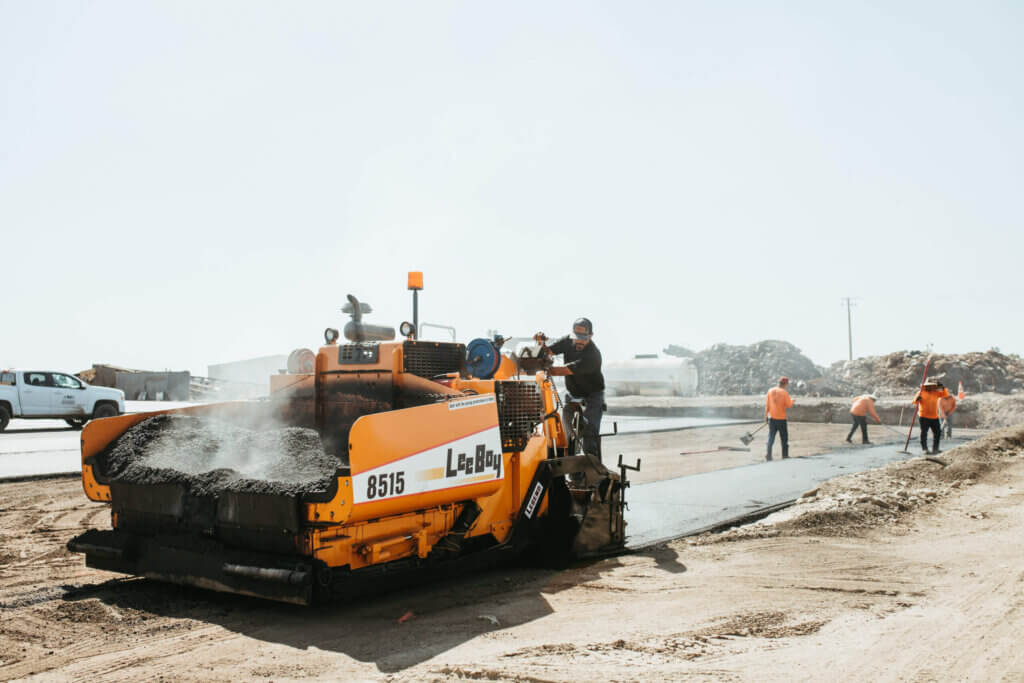
Hot Mix Asphalt Paving
We deliver superior results for driveways, parking lots, and roads. Hot mix provides the strongest paving solution. We heat aggregates to optimal temperatures. Performance-grade binders ensure durability.
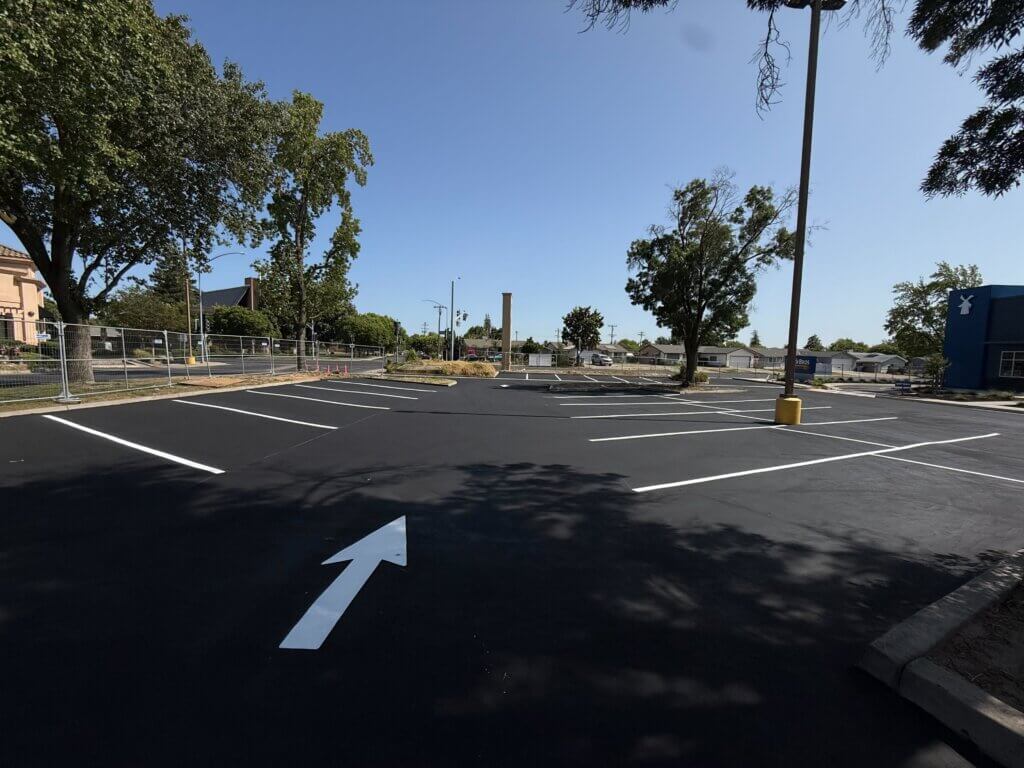
Hot Mix Asphalt Paving
Large-scale parking lots and industrial facilities. Multi-lift applications with traffic management. Trusted by major Bakersfield businesses. Minimal operational disruption.
Hot Mix Asphalt Paving
Driveways and private roads with professional materials. Site evaluation and drainage consideration. Enhanced property value and long-term performance.
Hot Mix Asphalt Paving
Roadways and public infrastructure throughout Kern County. Caltrans specifications with traffic control protocols. Community infrastructure and regulatory compliance.
Our Professional Paving Process
- Site Preparation Excavation and material removal. Precise grading for drainage. Proper disposal of existing materials.
- Sub-Base Installation Engineered base materials with proper compaction. Crushed aggregate or recycled concrete. Structural foundation for superior results.
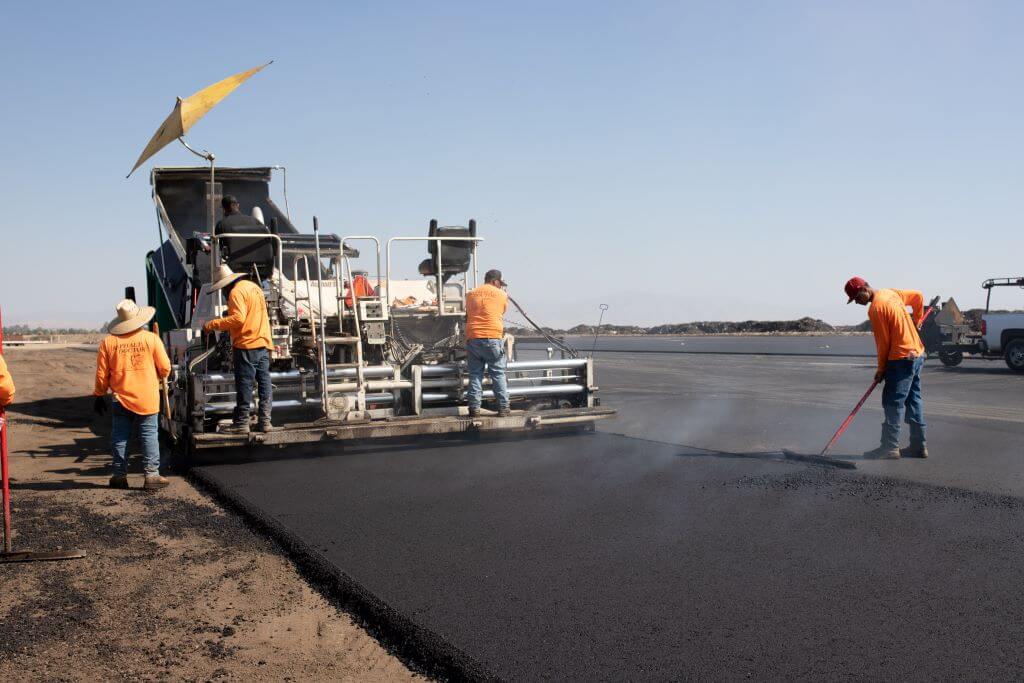
- Hot Mix Application State-of-the-art paving equipment. Temperature-controlled delivery systems. Uniform thickness and surface smoothness.
- Compaction and Finishing Vibratory rollers eliminate air pockets. Proper rolling patterns achieve density. Smooth surfaces meet professional standards.
Why Choose Asphalt Doctor
New Installations
We pave roads, lots, and driveways with compacted asphalt built for strength and longevity.
Grading & Base
We prepare the sub-base with proper grading and compaction to support long-term performance.
Commercial Paving
We handle large-scale paving projects for shopping centers, warehouses, and office parks.
Smooth Finish
We use precision equipment to lay asphalt evenly with a clean, smooth surface finish.
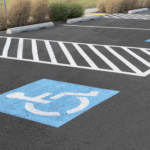
Access Ramps
We pave ADA-compliant ramps and entrances with proper slope, texture, and transitions.
Repaving Services
We remove and replace old asphalt to restore appearance, structure, and surface integrity.
Our Other Asphalt & Paving Services in Bakersfield, California
Frequently Asked Questions
What is asphalt and how is it made?
Asphalt is a mixture of aggregates (stone, sand, gravel) bound together with bitumen, a petroleum-based adhesive. The mixture typically contains 95% aggregates and 5% bitumen binder. Hot mix asphalt is produced at temperatures between 280-320°F in specialized plants where aggregates are heated, dried, and mixed with hot bitumen to create a workable paving material.
What are the different types of asphalt mixes and their characteristics?
Common asphalt mixes include dense-graded mix (most common, provides smooth surface), open-graded mix (allows water drainage), gap-graded mix (specific aggregate sizes omitted), and stone matrix asphalt (high stone content for durability). Each mix type has different aggregate gradations, binder content, and performance characteristics suited for specific applications and traffic loads.
How does asphalt pavement structure work?
Asphalt pavement consists of multiple layers including the subgrade (natural soil foundation), subbase (stabilized aggregate layer), base course (load-bearing aggregate layer), and surface course (asphalt layer). This layered system distributes traffic loads over a wider area, reducing stress on the subgrade and preventing pavement failure.
What happens during the asphalt cooling and curing process?
After placement, asphalt begins cooling immediately from installation temperature of 275-300°F. Initial strength develops as the material cools and is compacted, typically reaching sufficient strength for light traffic within 24-48 hours. Full curing continues for several months as the binder oxidizes and hardens, with the pavement gaining strength and stiffness over time.
How do temperature and weather conditions affect asphalt properties?
Asphalt becomes softer and more flexible in hot weather, potentially leading to rutting under heavy loads. Cold temperatures make asphalt brittle and prone to cracking. Thermal expansion and contraction cause stress within the pavement structure. Moisture infiltration can weaken the bond between asphalt and aggregates, leading to stripping and pavement deterioration.
What causes asphalt pavement to deteriorate over time?
Asphalt deterioration occurs through oxidation (hardening and cracking from air exposure), thermal cycling (expansion and contraction), fatigue (repeated loading), moisture damage (water infiltration causing aggregate stripping), and UV radiation (surface aging). These processes gradually reduce pavement flexibility and strength, eventually leading to various forms of distress.
How does aggregate selection impact asphalt performance?
Aggregate properties significantly affect asphalt performance. Angular aggregates provide better interlocking and stability, while rounded aggregates offer better workability. Aggregate gradation affects mixture density, stability, and permeability. Proper aggregate-to-asphalt ratio ensures adequate coating and bonding, while aggregate quality affects resistance to wear, polishing, and stripping.