Asphalt Doctor delivers expert parking lot striping solutions throughout Bakersfield and Central Valley.
Our certified team specializes in ADA-compliant markings, traffic flow optimization, and high-visibility line applications using professional-grade materials.
With 25 years serving Kern County’s commercial properties, we provide durable striping services that enhance safety, maximize parking efficiency, and ensure regulatory compliance effectively.
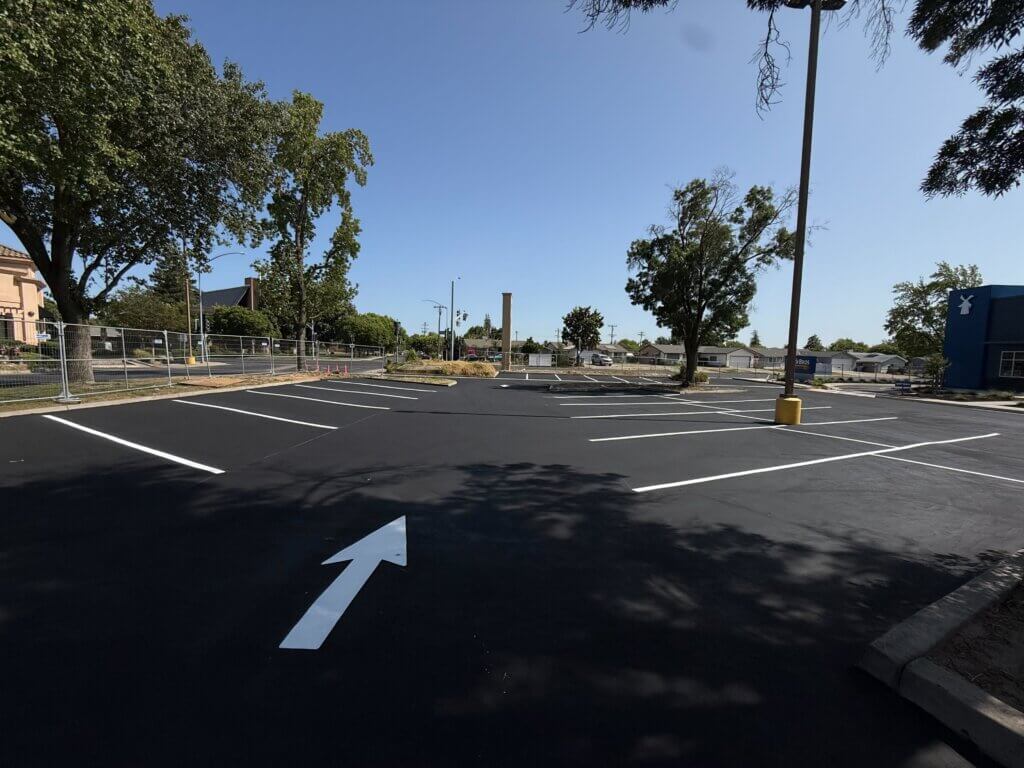
Our certified parking lot striping contractors deliver clean, accurate, and long-lasting markings that improve traffic flow and safety across Bakersfield properties. We apply high-visibility lines, directional arrows, ADA-compliant symbols, and custom stenciling using premium traffic paint designed to resist fading from heat, UV exposure, and heavy vehicle traffic. Each project is completed with precise layout planning and attention to local regulations. Asphalt Doctor provides professional striping services for new layouts, restriping, and reconfiguration, helping businesses maintain well-organized and code-compliant parking lots throughout the Central Valley.
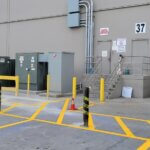
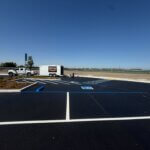
Professional parking space layout and striping for retail centers, office complexes, and industrial facilities throughout Bakersfield. Advanced measuring techniques maximize parking capacity while ensuring ADA compliance and optimal traffic flow. High-performance paint systems provide superior visibility and long-term durability in Central Valley’s extreme climate conditions.
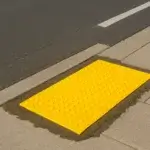
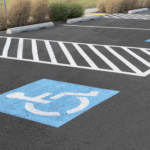
Comprehensive handicap parking space striping meeting federal ADA guidelines and California accessibility standards. Professional installation includes proper dimensions, access aisles, and van-accessible designations with compliant signage placement. Expert compliance verification ensures regulatory adherence and prevents costly violations for Bakersfield commercial properties.
Critical emergency access striping including fire lanes, ambulance zones, and emergency vehicle pathways throughout Kern County facilities. Professional red zone markings use high-visibility materials and proper dimensional specifications. Regulatory compliance ensures emergency vehicle access while maintaining safety standards for commercial and municipal properties.
Strategic directional marking systems that optimize traffic flow and reduce accidents in parking facilities. Professional arrow placement and lane marking improve vehicle circulation while minimizing congestion during peak hours. Custom traffic flow solutions accommodate unique site layouts and operational requirements throughout the Bakersfield area.
High-visibility crosswalk striping and pedestrian pathway marking for enhanced safety in commercial parking areas. Professional installation uses reflective materials and proper width specifications for maximum pedestrian protection. Strategic placement improves pedestrian safety while maintaining efficient vehicle traffic flow throughout Central Valley properties.
Stall Striping
We paint clean, accurate parking stalls to maximize space and improve traffic flow on your lot.
ADA Compliance
Our striping includes proper ADA stall layouts, signage, and markings to meet federal requirements.
Directional Arrows
We apply bold, long-lasting arrows to guide traffic safely through drive lanes and entrances.
Fire Lane Marking
We mark fire lanes with code-compliant lettering and colors to ensure emergency access.
Re-striping
We refresh worn lines with sharp, vibrant paint that improves safety and curb appeal instantly.
Custom Layouts
We design and stripe custom layouts for retail, residential, and commercial parking lots.
Asphalt parking lot striping is the process of applying paint or marking materials to asphalt surfaces to create visible lines, symbols, and markings that designate parking spaces, traffic flow patterns, and pedestrian areas. The process involves cleaning the surface, measuring and marking layout points, and applying specialized traffic paint using line striping machines that create precise, uniform lines. The paint bonds with the asphalt surface to create durable markings that guide vehicle and pedestrian traffic.
Common striping materials include water-based acrylic paint (most economical, lasting 1-2 years), oil-based paint (more durable but longer drying time), thermoplastic materials (heat-applied, lasting 5-8 years with superior durability), and reflective paints containing glass beads for enhanced nighttime visibility. Each material has different adhesion properties, drying times, and resistance to weather conditions, with thermoplastic offering the longest lifespan but requiring specialized application equipment.
Environmental factors significantly impact striping durability and application quality. UV radiation from sunlight causes paint oxidation and fading over time, while temperature extremes affect paint flexibility and adhesion. Moisture from rain and snow can wash away paint and cause freeze-thaw damage, while oil and gasoline spills can break down paint chemistry. Optimal application conditions require temperatures above 50°F, dry weather, and low humidity for proper paint adhesion and curing.
Proper surface preparation involves thoroughly cleaning the asphalt to remove dirt, debris, oil stains, and loose materials using sweeping, pressure washing, and degreasing. Any cracks, potholes, or surface defects must be repaired before striping to ensure uniform paint application and prevent premature failure. The surface must be completely dry and free from contamination to achieve optimal paint adhesion and longevity.
Standard water-based acrylic paint striping lasts 1-2 years under normal conditions, while higher-quality materials can extend this to 2-3 years. Thermoplastic striping can last 5-8 years due to its superior durability. Lifespan depends on traffic volume, weather exposure, surface quality, and maintenance practices. High-traffic areas experience faster wear, while protected areas may maintain visibility longer than average.
Application quality depends on proper surface preparation, paint material selection, application technique, and environmental conditions during installation. Consistent paint thickness, proper spray pressure, and uniform application speed create even coverage and clean lines. Temperature and humidity during application affect paint flow and adhesion, while surface contamination or inadequate preparation can cause premature paint failure and poor visibility.
Paint chemistry determines how well striping materials bond with asphalt surfaces and resist environmental degradation. Acrylic-based paints offer good adhesion and flexibility, while oil-based formulations provide enhanced durability but slower curing. Thermoplastic materials use heat-activated resins that create stronger bonds with asphalt. The paint’s polymer composition affects its resistance to UV radiation, thermal cycling, and chemical exposure from automotive fluids.