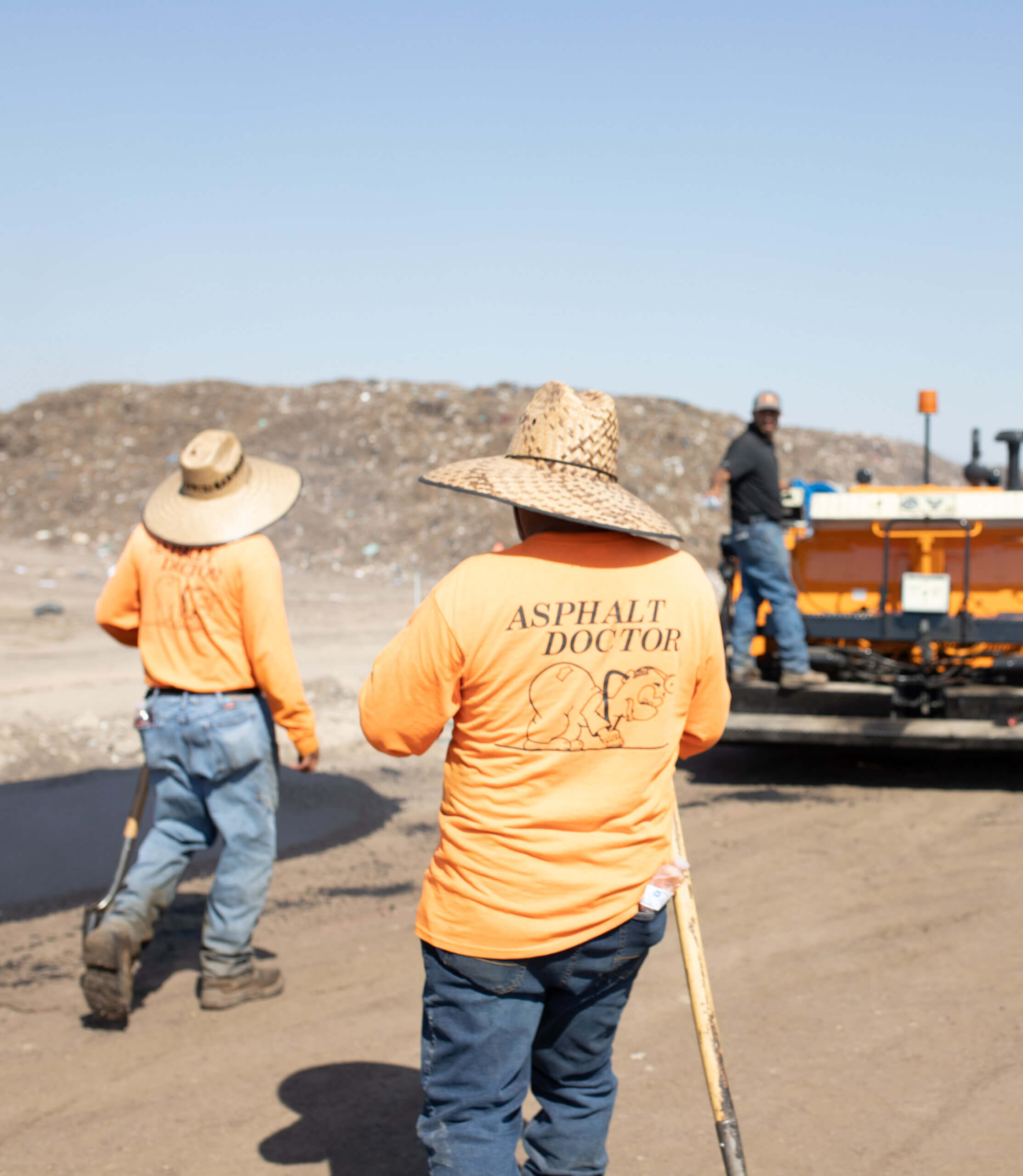
Asphalt Doctor is a trusted asphalt pavement repair contractor serving Bakersfield and the greater Central Valley region, backed by over 25 years of industry experience.
We provide dependable repair services for residential, commercial, and municipal clients, addressing a wide range of surface issues from minor cracks to major structural damage.
Our team specializes in cold patching, pothole repair, crack sealing, and full-depth restoration, using proven methods and materials suited for Kern County’s extreme heat and climate fluctuations. Asphalt Doctor ensures long-lasting, cost-effective pavement repairs that restore safety, function, and curb appeal.
Our certified asphalt pavement repair contractors specialize in fixing damaged surfaces caused by Bakersfield’s extreme temperatures, traffic stress, and moisture intrusion. We address issues such as potholes, alligator cracking, and surface deterioration using proven repair methods including patching, infrared treatment, and saw-cut replacement. Each repair is performed with proper compaction, surface preparation, and material matching to ensure seamless integration and lasting performance. Asphalt Doctor provides reliable pavement repair solutions that restore safety, function, and appearance while withstanding the harsh conditions of the Central Valley.
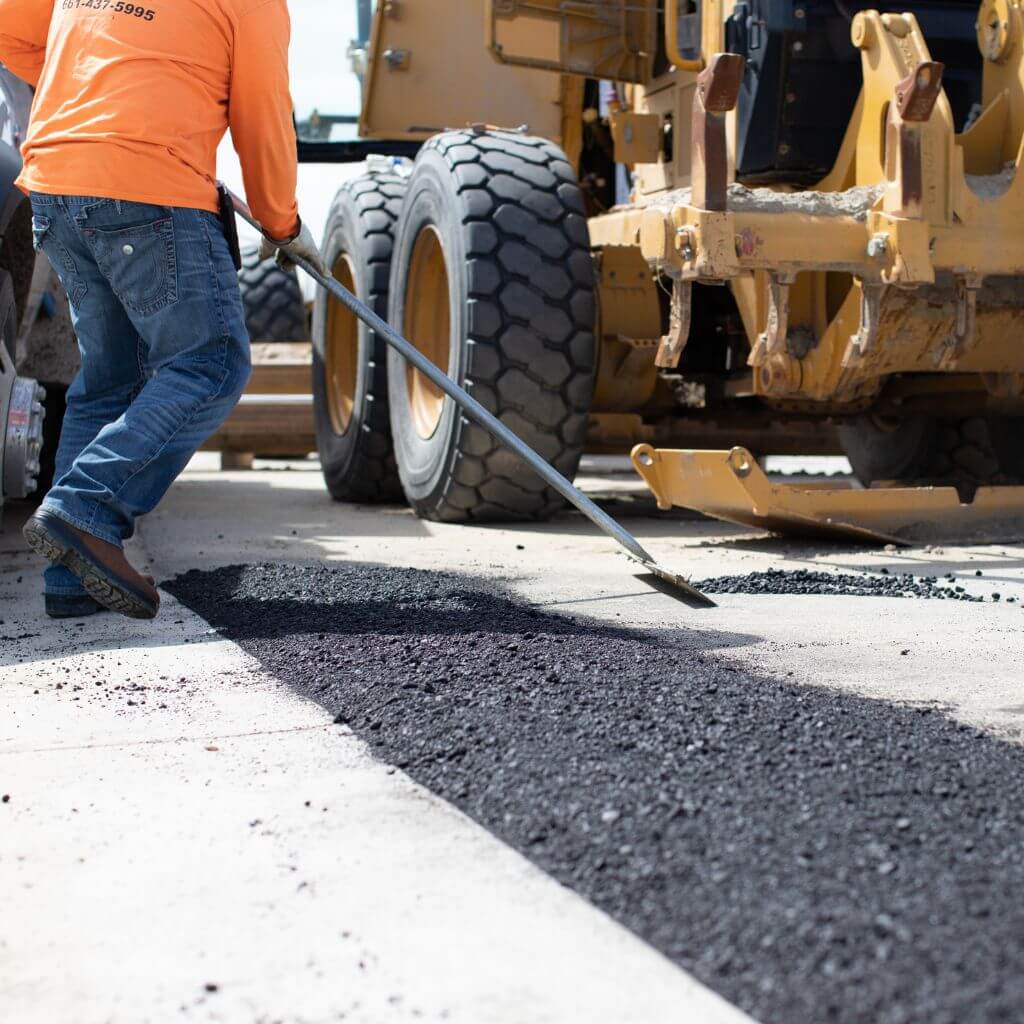
Professional cold patch applications for immediate pavement repair needs throughout Bakersfield. Our cold mix asphalt provides temporary and permanent solutions for potholes, surface deterioration, and emergency repairs. Rapid deployment capabilities ensure quick response for safety-critical pavement damage.
Comprehensive pothole repair services using hot mix asphalt and proper excavation techniques. Professional pothole restoration includes complete removal of damaged material, base preparation, and permanent asphalt installation. Prevents further deterioration and restores smooth surface conditions.
Advanced crack sealing prevents water infiltration and pavement deterioration throughout Kern County. Hot-pour rubberized sealants provide flexible, durable repair for thermal cracking common in Central Valley’s extreme climate. Professional routing and cleaning ensure optimal sealant adhesion and performance.
Strategic asphalt patching addresses localized pavement damage while preserving surrounding areas. Professional patching includes proper excavation, base repair, and hot mix installation. Cost-effective solution for isolated damage areas requiring structural repair.
Rapid emergency repair services address safety hazards and critical pavement failures throughout Bakersfield. Professional emergency response includes temporary cold patch applications followed by permanent hot mix repairs. Immediate stabilization prevents liability issues and traffic disruption.
Pothole Repair
We remove failed asphalt and patch potholes with hot mix for strong, seamless surface restoration.
Crack Sealing
We seal surface cracks to prevent water intrusion and extend pavement life before major damage.
Skin Patching
We apply surface patches to correct minor dips, ruts, or worn spots without full replacement.
Drainage Correction
We regrade and patch areas where water pools, preventing further erosion and surface damage.
Utility Repairs
We restore asphalt after utility work with compacted, traffic-ready patches that blend in smoothly.
Emergency Response
We offer fast asphalt repair services in Bakersfield to keep lots, roads, and drives safe and open.
Asphalt pavement damage occurs through multiple mechanisms including oxidation from UV radiation and air exposure that makes the asphalt brittle, water infiltration that weakens the bond between asphalt and aggregates, thermal cycling from temperature changes causing expansion and contraction stress, and traffic loading that creates fatigue over time. Other causes include oil and chemical spills that dissolve the petroleum-based binder, poor drainage leading to water pooling and freeze-thaw damage, and inadequate initial construction or base preparation that creates weak points susceptible to failure.
Common repair methods include crack sealing and filling for hairline to moderate cracks using hot or cold sealants, patching for localized damage like potholes using surface patching or full-depth removal and replacement, overlaying where new asphalt is applied over existing pavement, and mill and overlay involving removal of the surface layer before applying new asphalt. More extensive methods include full removal and replacement for severely damaged areas, reclamation where existing asphalt is ground up and mixed with base material, and complete reconstruction for structural failure.
Repair method selection depends on the extent and type of damage, with crack sealing appropriate for cracks less than 1/4 inch wide, patching for localized failures like potholes or alligator cracking, and overlays for widespread surface deterioration. The selection process considers the percentage of damaged area, structural integrity of the base layers, traffic loads, and cost factors. Minor damage affecting less than 25% of the surface typically requires repairs, while damage exceeding 30% may necessitate reconstruction. The underlying cause of failure must also be addressed to prevent recurring problems.
Successful repairs depend on proper surface preparation including thorough cleaning and removal of debris, moisture control with completely dry conditions during application, appropriate material selection matching the existing pavement characteristics, and achieving proper compaction and bonding between new and existing materials. Environmental conditions during installation significantly impact success, requiring temperatures above 50°F and dry weather. The quality of base preparation, timing of repairs before damage spreads, and addressing underlying causes like drainage issues are critical factors.
Environmental factors significantly impact repair performance and application success. Temperature affects material workability and bonding, with cold conditions below 50°F preventing proper adhesion and hot conditions above 85°F causing rapid curing that affects application quality. Moisture interferes with bonding and can cause stripping of the asphalt-aggregate bond, while freeze-thaw cycles create expansion and contraction stress that can compromise repair integrity. UV radiation accelerates oxidation of repair materials, and seasonal timing affects both application conditions and long-term performance.
Repairs create structural discontinuities in the pavement system due to joints where new material meets existing pavement, making repaired areas inherently weaker than continuous new pavement. The repair interface is particularly vulnerable to moisture infiltration, thermal movement, and traffic loading stress. Repairs must achieve proper bonding with surrounding materials while dealing with potentially different material properties and compaction characteristics. The layered structure of repairs may not perfectly match the original pavement design, creating potential weak points that require ongoing monitoring and maintenance.
Repair durability depends on the quality of initial installation, environmental exposure, traffic loading, and maintenance practices. Properly executed repairs using appropriate materials and techniques can last 8-15 years, while temporary repairs may only last 1-3 years. Factors affecting longevity include the extent of original damage addressed, quality of surface preparation, material compatibility, and whether underlying causes were corrected. Environmental conditions like extreme temperatures, moisture exposure, and chemical contamination accelerate deterioration. Regular maintenance including joint sealing and surface treatments significantly extends repair lifespan.