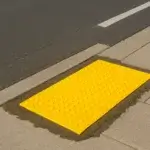
Asphalt Doctor provides comprehensive truncated dome installation services throughout Bakersfield and Central Valley.
Our certified team specializes in ADA-compliant detectable warning systems, surface-applied installations, and cast-in-place applications using Title 24 approved materials.
With 25 years serving Kern County’s commercial and municipal clients, we deliver professional tactile warning solutions that ensure accessibility compliance, enhance pedestrian safety, and meet California regulatory standards effectively.
Our certified truncated dome installation contractors provide ADA-compliant tactile warning surfaces designed to improve pedestrian safety in Bakersfield. We install detectable warning tiles at curb ramps, transit platforms, and pedestrian crossings using approved materials and precise placement methods. Each installation is performed with proper surface preparation, adhesive bonding, and alignment to ensure durability under foot traffic, weather exposure, and daily wear. Asphalt Doctor delivers reliable truncated dome solutions that meet federal and local accessibility standards while withstanding the climate conditions of the Central Valley.
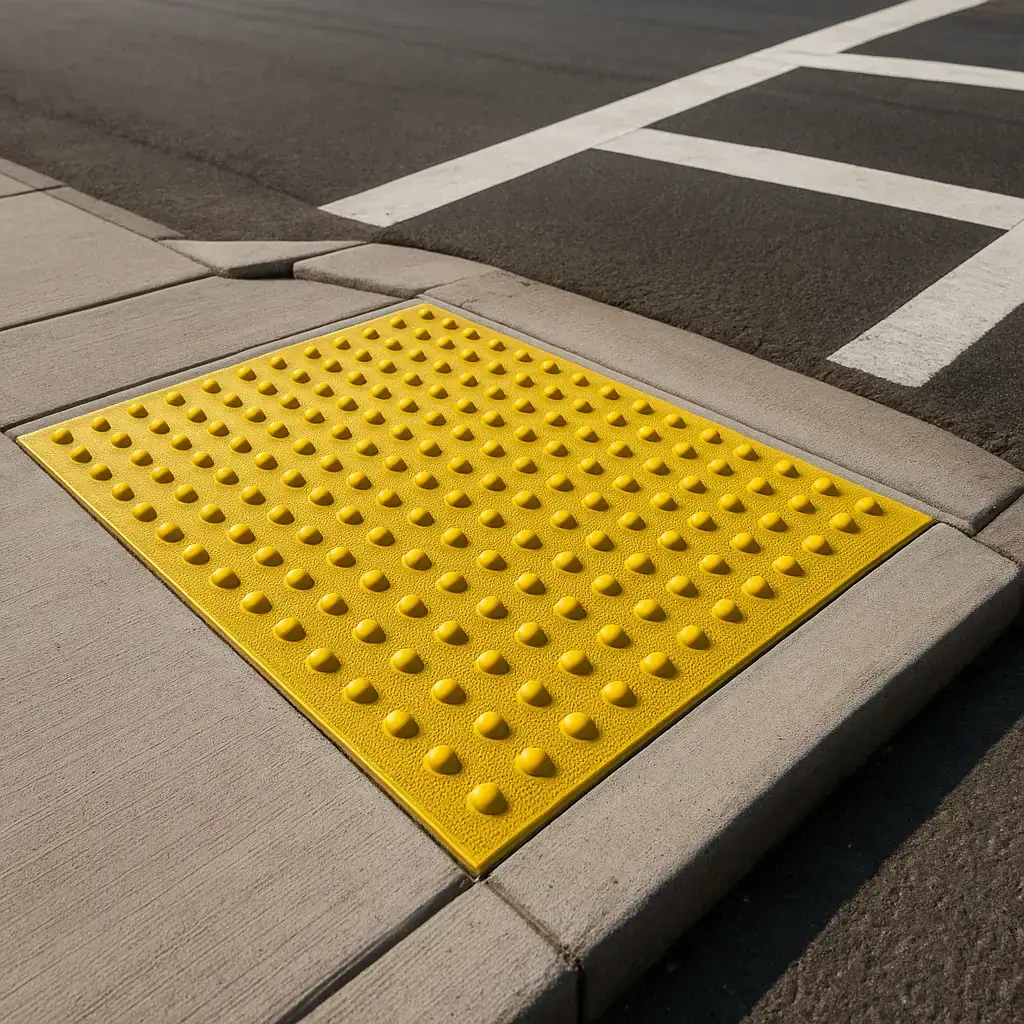
Professional installation of surface-applied tactile warning tiles on existing concrete surfaces throughout Bakersfield commercial properties. Advanced adhesive systems and mechanical fastening ensure permanent installation that meets ADA spacing requirements of 1.6-2.4 inches center-to-center. Ideal for retrofit applications requiring compliance upgrades without concrete removal.
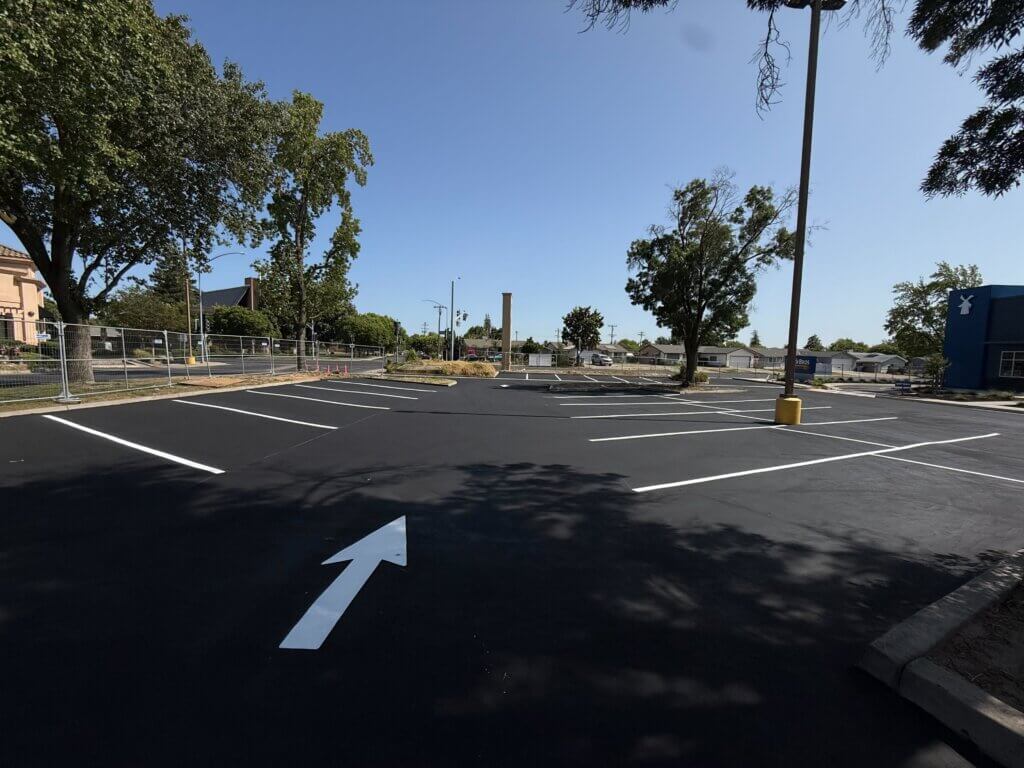
Versatile self-adhesive tactile warning systems designed for both asphalt and concrete surfaces throughout Kern County. Professional installation provides immediate ADA compliance with a simplified application process. Cost-effective solution for parking lots, pedestrian crossings, and areas requiring flexible installation methods.
Permanent truncated dome installation for new concrete construction projects using wet-set placement techniques. Professional cast-in-place installation ensures optimal integration with fresh concrete while meeting California Title 24 specifications. The replaceable system allows future maintenance without concrete demolition throughout Bakersfield developments.
Comprehensive curb ramp tactile warning installation ensuring full ADA compliance for pedestrian safety. Professional installation covers complete ramp width and depth with proper visual contrast requirements. California Building Code compliance includes 3-foot minimum dimension requirements and proper dome spacing specifications.
ADA Compliance
We install truncated domes that fully meet ADA standards for accessibility and pedestrian safety.
Surface Preparation
Our team ensures proper surface cleaning, leveling, and priming before dome panel placement begins.
Durable Bonding
We use high-strength adhesives and fasteners to secure domes that resist wear, weather, and shifting.
Custom Fit
Each installation is measured and aligned precisely to fit curb ramps, walkways, or transit platforms.
Fast Installation
We minimize public disruption with efficient, same-day dome installations where possible.
Color & Texture
We offer domes in standard colors and tactile patterns approved for high-visibility and traction.
Truncated domes are raised, tactile warning surfaces consisting of small, flattened circular bumps arranged in a grid pattern. They are installed on asphalt surfaces to provide detectable warnings for visually impaired pedestrians, alerting them to potential hazards like vehicle travel areas. These ADA-compliant features help individuals with visual disabilities identify transition zones between pedestrian and vehicular areas through tactile feedback underfoot or with a cane.
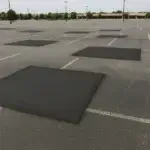
The primary installation method for asphalt surfaces uses self-adhesive truncated dome mats that bond directly to the asphalt surface. Unlike concrete installations that can accommodate surface-applied tiles with mechanical fasteners, asphalt surfaces require specialized adhesive-backed products due to the material’s composition. The installation process involves thorough surface preparation, proper positioning, and pressure application to ensure adequate bonding between the mat and asphalt surface.
ADA compliance requires specific dimensional standards including dome base diameter of 0.9 to 1.4 inches, dome height of 0.2 inches, and top diameter of 50-65% of the base diameter. Center-to-center spacing must be between 1.6 and 2.4 inches, with base-to-base spacing of at least 0.65 inches between adjacent domes. The installation area must have a minimum dimension of 24 inches in the direction of travel and extend the full width of the curb ramp or crossing area.
Proper surface preparation involves thoroughly cleaning the asphalt to remove all dirt, debris, oil stains, grease, and moisture that could interfere with adhesive bonding. The surface must be completely dry and free from contamination before installation. Any cracks, holes, or surface defects should be repaired to create a smooth, stable foundation. Temperature conditions must be appropriate for adhesive curing, typically requiring temperatures above 50°F and dry weather conditions.
Environmental conditions significantly impact installation success and longevity. Temperature affects both the asphalt surface properties and adhesive performance – installations require temperatures above 50°F for proper bonding. Moisture prevents adequate adhesion and can cause installation failure. UV radiation, thermal expansion and contraction, and freeze-thaw cycles all affect the long-term performance of the installation. Optimal conditions include dry weather, moderate temperatures between 60-80°F, and low humidity for best results.
ADA regulations require truncated dome installations to provide strong visual contrast with the surrounding surface to assist individuals with partial vision. The contrast must be either light-on-dark or dark-on-light to be effective. Color selection depends on the existing asphalt surface color – installing yellow domes on yellow-colored asphalt would provide insufficient contrast. The visual contrast requirement ensures that the tactile warning surface is detectable both through touch and sight.
Installation durability depends on proper surface preparation, adhesive quality, environmental exposure, and traffic conditions. Self-adhesive installations on asphalt typically require regular inspection for edge lifting, wear patterns, and adhesive failure. Heavy pedestrian traffic, extreme weather conditions, and poor initial surface preparation can reduce installation lifespan. Maintenance involves replacing worn or damaged sections, ensuring continued ADA compliance, and addressing any adhesive failure that compromises the tactile warning effectiveness.