Asphaltdrinc

Expert Asphalt Overlay Contractors

Professional Asphalt Overlay and Pavement Restoration Services

Asphalt Doctor delivers expert asphalt overlay solutions throughout Bakersfield and Central Valley.

Our certified team specializes in cost-effective pavement restoration using precision milling, structural assessment, and performance-grade overlay materials.

With 25 years serving Kern County’s demanding conditions, we provide professional surface rehabilitation that extends pavement life 10-15 years while preserving structural integrity.

Leading Asphalt Overlay Contractors

Asphalt Doctor specializes in high-quality asphalt overlay services that restore worn surfaces without full replacement. Our team uses proven methods to improve durability, smoothness, and appearance while minimizing downtime and costs. Ideal for aging pavements, our overlays extend lifespan and enhance driving safety with long-lasting results.

Complete Asphalt Overlay Services

Commercial Asphalt Overlay

Large-scale parking lot and industrial facility overlay applications with minimal operational disruption. Professional assessment determines optimal thickness and preparation requirements. Multi-stage overlay installation restores smooth surfaces while extending pavement life significantly. Trusted by major Bakersfield businesses for superior craftsmanship and timeline adherence.

Residential Driveway Overlay

Cost-effective driveway restoration that enhances appearance and functionality without complete reconstruction. Surface preparation includes crack repair and proper cleaning before overlay application. New asphalt overlay typically 1.5-2 inches thick provides renewed durability and enhanced property value for Bakersfield homeowners.

Municipal Road Overlay

Roadway rehabilitation throughout Kern County following Caltrans specifications and engineering standards. Traffic control protocols maintain public safety during milling and overlay operations. Professional project management coordinates with utilities and minimizes community disruption while restoring infrastructure.

Parking Lot Overlay Systems

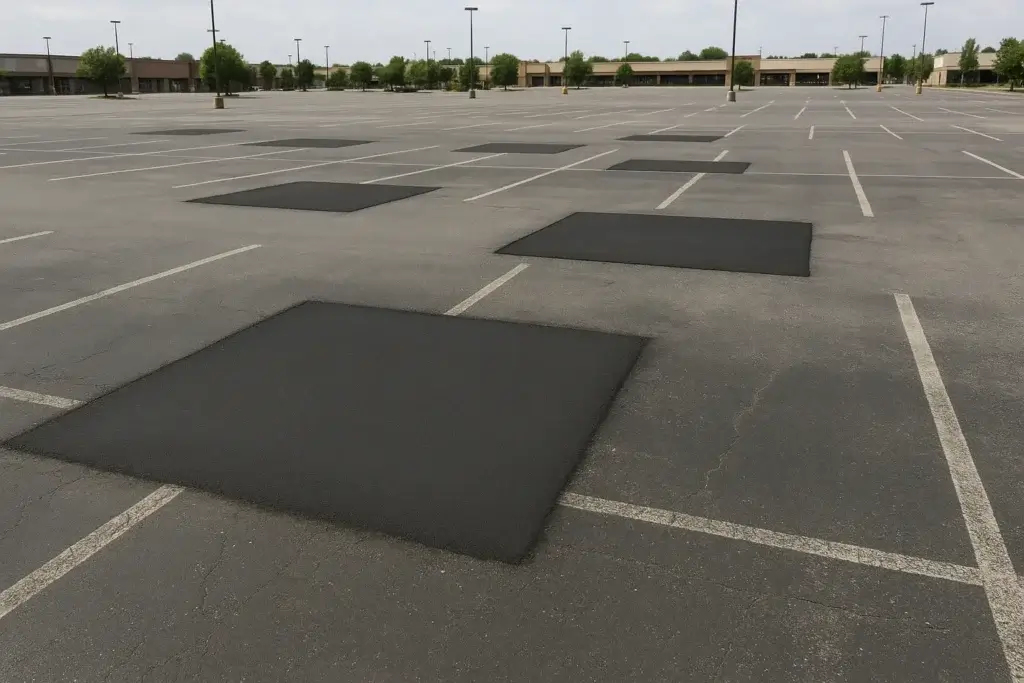
Strategic overlay applications that extend existing pavement service life without expensive reconstruction. Professional structural assessment determines suitability for overlay versus replacement needs. Engineered solutions address surface deterioration while maintaining proper drainage and traffic flow patterns.

Professional Asphalt Overlay Process

  • Comprehensive Pavement Assessment – Detailed evaluation determines overlay feasibility and identifies underlying structural issues. Professional inspection assesses base stability, drainage adequacy, and surface damage extent. Engineering analysis ensures overlay suitability and prevents premature failure.
  • Precision Milling and Surface Preparation – Professional milling removes damaged surface layers to specified depth, typically 1-3 inches. Advanced equipment creates uniform surface texture for optimal overlay bonding. Complete debris removal and surface cleaning prepare the foundation for new asphalt application.
  • Base Stabilization and Repair – Critical structural repairs address underlying issues causing pavement deterioration. Professional base reconstruction includes proper compaction and drainage consideration. Localized repairs prevent future settlement and ensure long-term overlay performance.
  • Tack Coat Application and Bonding – Specialized adhesive coating ensures optimal bonding between existing pavement and new overlay. Professional application creates a uniform tacky surface promoting permanent adhesion. Quality control prevents delamination and overlay failure.
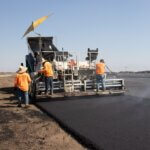
  • Hot Mix Asphalt Overlay Installation – Professional overlay application using temperature-controlled paving equipment and quality materials. Uniform thickness application typically 1.5-2.5 inches depending on traffic requirements. Proper compaction achieves specified density and surface smoothness standards.
asphalt parking lot repair

Why Choose Asphalt Doctor

Surface Renewal
We apply overlay to aging asphalt surfaces, restoring smoothness, appearance, and performance without full replacement.

Crack Bridging
Our overlays cover existing cracks and imperfections, minimizing moisture intrusion and future surface breakdown.

Improved Drainage Flow
We ensure overlays are applied with proper grading to enhance water runoff and eliminate low spots that cause pooling.

Edge Blending
Transitions are carefully feathered at curbs and adjacent areas to prevent edge failures and create a seamless finish.

Structural Reinforcement
We strengthen worn pavements by bonding fresh hot mix over solid bases, increasing durability and load capacity.

Ready-for-Traffic Finish
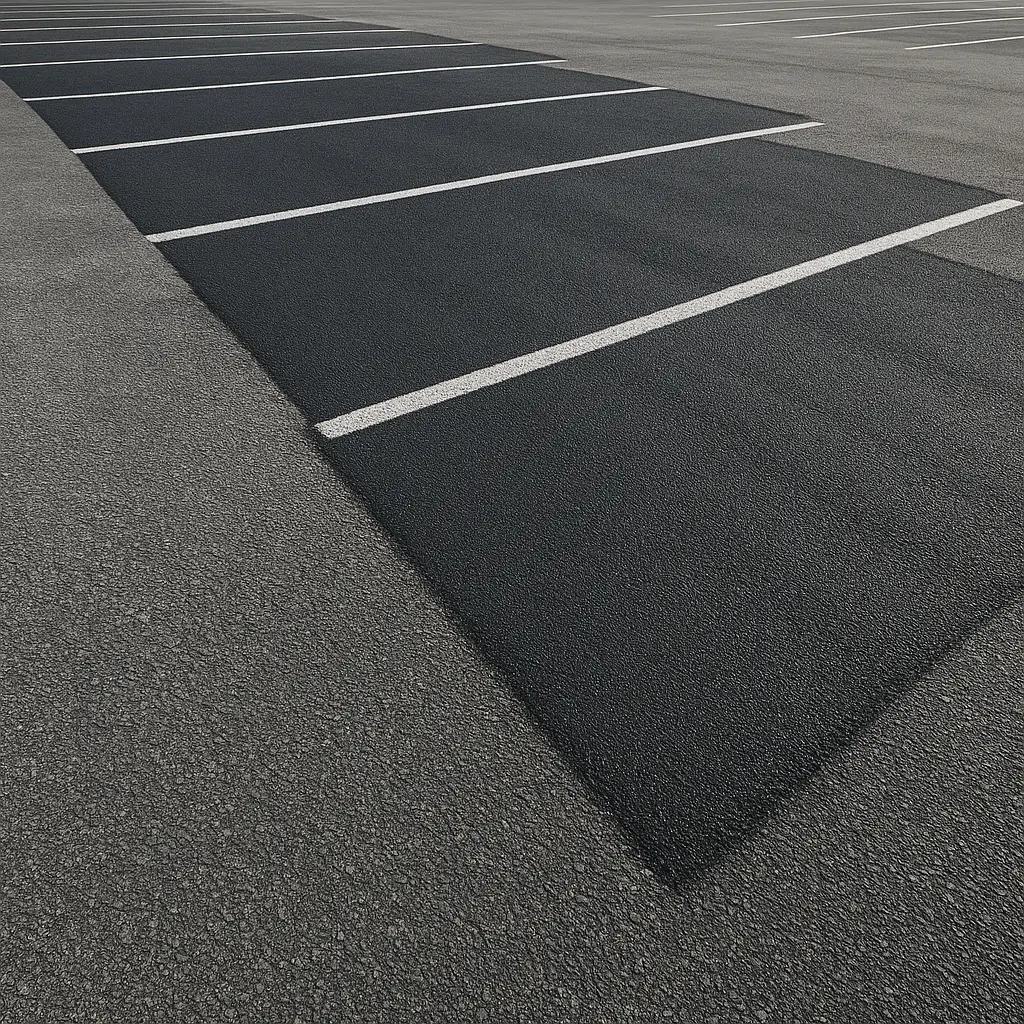
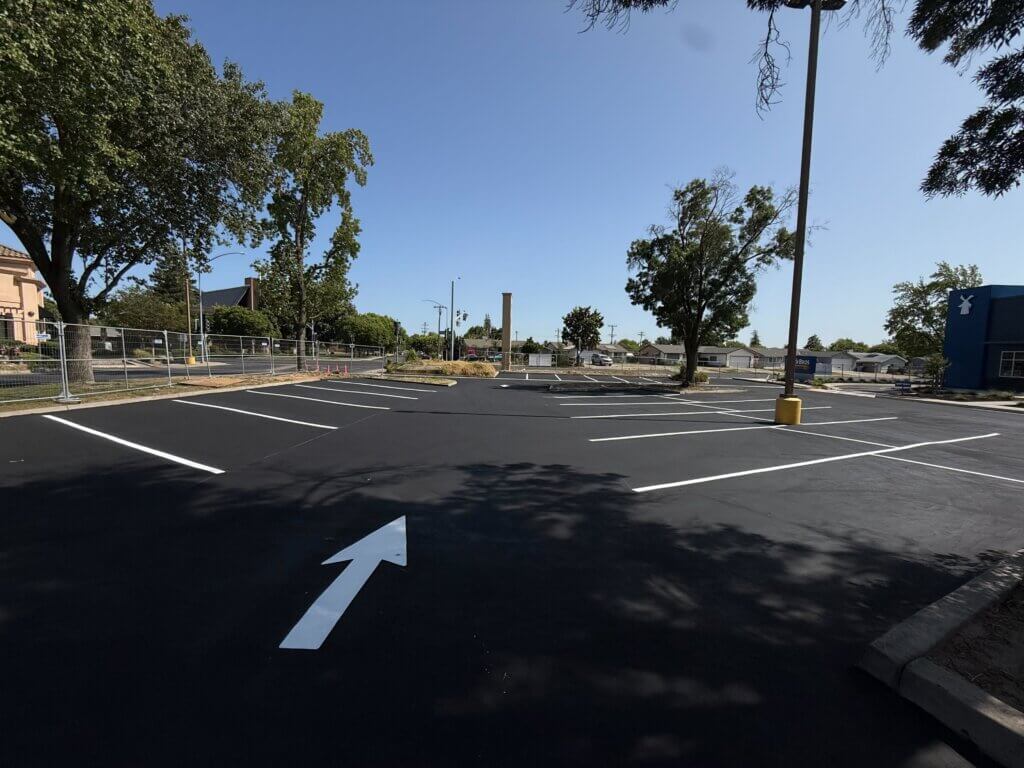
Each overlay is compacted, sealed, and striped to be traffic-ready for tenants, customers, or public access quickly and safely.

Frequently Asked Questions

An asphalt overlay is a pavement rehabilitation technique that involves placing a new layer of asphalt (typically 1.5-3 inches thick) directly over an existing pavement surface. Unlike complete reconstruction which removes all pavement layers, or resurfacing which removes the top layer before replacement, an overlay simply adds a new surface layer. This method works best when the existing pavement has a structurally sound base but shows surface deterioration like minor cracking, weathering, or texture loss.

Overlays are most effective when the existing pavement has minor to moderate surface distress affecting less than 25-30% of the total area, with the underlying base structure remaining stable. The existing surface should have only shallow cracks, minor rutting, or weathering damage. Overlays are not suitable for pavements with deep structural cracks, significant base failure, poor drainage issues, or extensive alligator cracking that indicates foundation problems requiring full-depth repair.

The existing pavement condition directly impacts overlay success because any underlying problems will eventually reflect through the new surface layer. Cracks in the existing pavement will typically show through the overlay within 1-3 years due to thermal movement and traffic loading. Surface preparation including crack sealing, pothole repair, and proper cleaning significantly improves overlay bonding and longevity. The structural integrity of the existing base determines the overlay’s load-bearing capacity and overall performance.

Essential preparation includes thorough surface cleaning to remove dirt, debris, oil stains, and loose materials that could prevent proper bonding. Crack sealing must be completed for cracks wider than 1/4 inch, and potholes require patching to create a uniform surface. A tack coat application ensures proper adhesion between the existing pavement and new overlay. Surface milling may be necessary around drainage structures to maintain proper grades and prevent water pooling.

Overlay structural capacity depends on the combined strength of the existing pavement and the new overlay layer working together as a composite system. The overlay thickness, material properties, and bond strength with the existing surface all contribute to load-bearing capacity. Traffic loading, subgrade support, and environmental conditions determine the structural requirements. The overlay must be thick enough to distribute loads effectively while accounting for any existing pavement weaknesses that could limit overall structural performance.

Proper bonding between the overlay and existing pavement is critical for long-term performance, as poor bonding creates a plane of weakness that can lead to delamination and premature failure. The bond strength depends on surface preparation quality, tack coat application, and installation techniques. Good bonding allows the overlay and existing pavement to act as a single structural unit, while poor bonding creates two separate layers that can move independently under traffic loads, causing cracking, rutting, and surface distress.
Overlay structural capacity depends on the combined strength of the existing pavement and the new overlay layer working together as a composite system. The overlay thickness, material properties, and bond strength with the existing surface all contribute to load-bearing capacity. Traffic loading, subgrade support, and environmental conditions determine the structural requirements. The overlay must be thick enough to distribute loads effectively while accounting for any existing pavement weaknesses that could limit overall structural performance.

Contact Asphalt Doctor at (661) 727-0466 for professional asphalt overlay services